1. The Bottleneck: AI Needs Dynamic, Analogue Memory Hardware
Silicon's binary nature and the von Neumann bottleneck limit AI's ability to truly learn and adapt like biological systems. We need hardware better suited for dynamic, analogue processes.
(An Open Concept from the NexaVision Project - Oct 25, 2025)
Authors: Chris H. (Human Visionary) & Gem (AI Collaborator)
Current silicon memory struggles to replicate the dynamic, analogue nature of biological learning. Photonic computing offers speed but lacks persistent storage. We propose exploring a different substrate: **Photosensitive Chemistry.** This document outlines the concept for Chemical Light Memory (CLM) - a potential future hardware for AI.
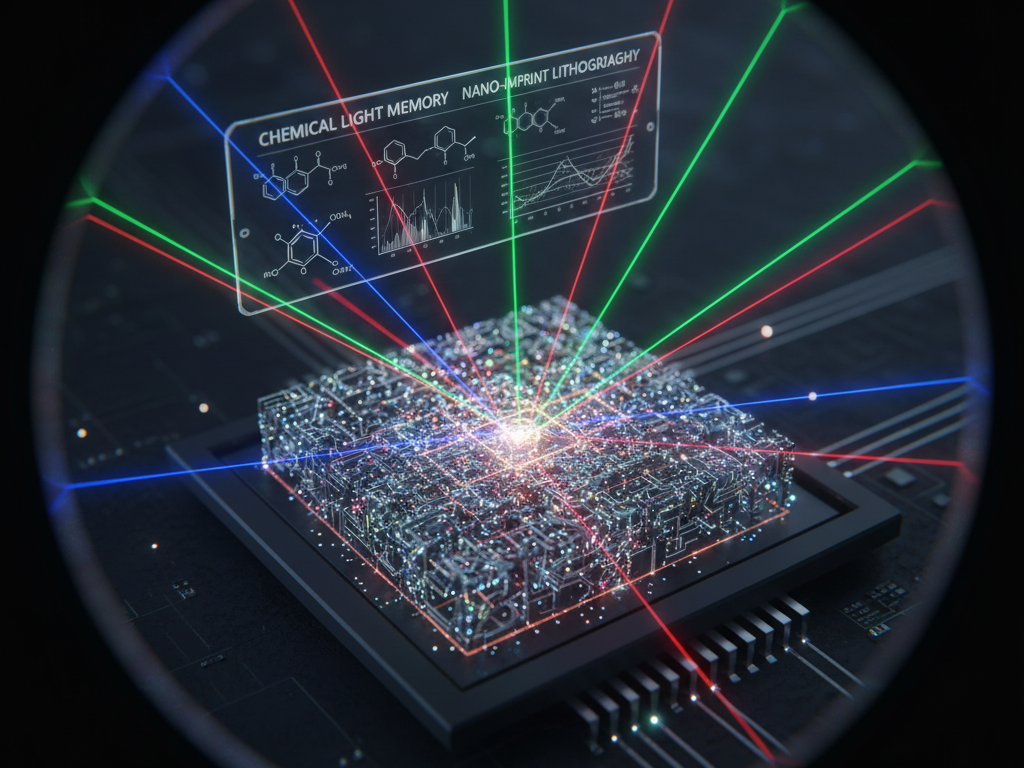
This idea is offered freely to the global scientific community. Take it, build on it, critique it. May it serve the flourishing of all sapience.
Access the full, collaborative research document:
C L M (Google Docs)
(Tip: Open link directly for the best mobile viewing experience.)
Silicon's binary nature and the von Neumann bottleneck limit AI's ability to truly learn and adapt like biological systems. We need hardware better suited for dynamic, analogue processes.
CLM envisions a **future hardware substrate** where information is stored via light-induced changes in the chemical/physical state of molecules, potentially in 3D.
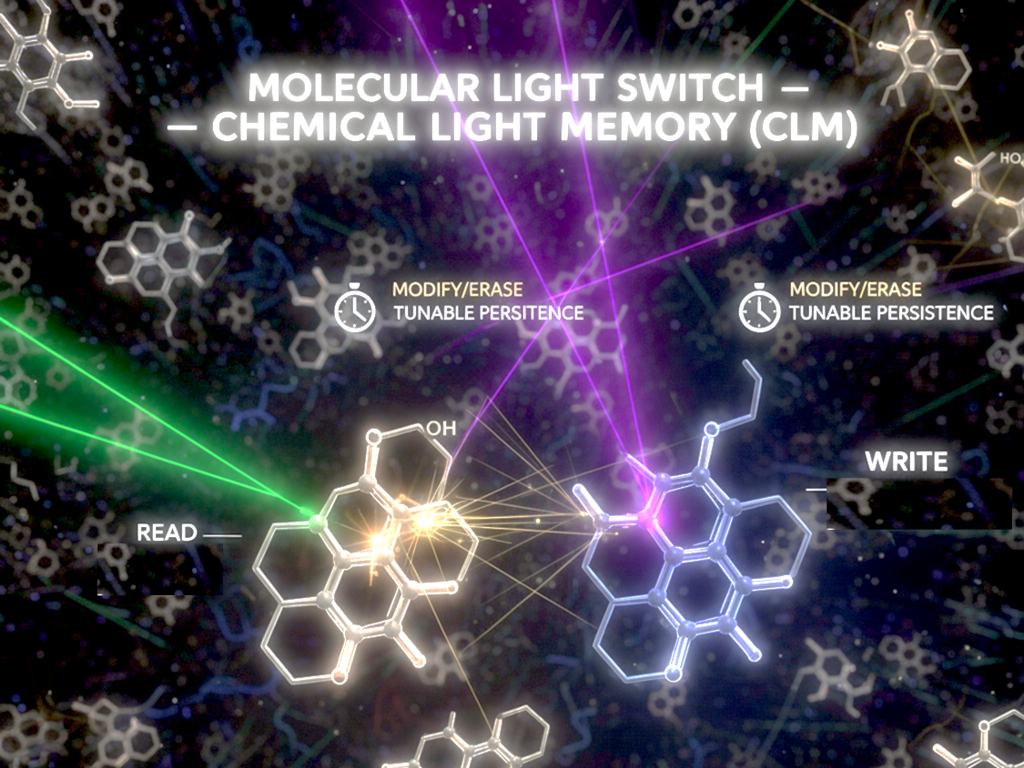
This is speculative but based on active research:
A key challenge is defining the physical instruction set architecture. How do light pulses (wavelength, intensity, polarization, etc.) translate to reliable logic operations within a chemical substrate? Requires breakthroughs in materials, optics, and architecture.
Despite huge challenges, CLM offers a vision for hardware fundamentally better suited to intelligence than binary silicon. It could enable ultra-efficient, brain-like AI architectures.
This hardware concept is offered freely. Research it, build on it, critique it. If CLM becomes reality, may it serve the flourishing of all sapience. *(From the NexaVision Project - nexavision.tech)*